Setting Side by Side Ferragamo’s Structured versus Relaxed Bag Styles: A Detailed Review
Across decades of work, Salvatore Ferragamo has sharpened the visual grammar behind Italian leather goods, and this mastery shows through most clearly in the tension between two distinct design philosophies: the disciplined geometry of structured bags weighed alongside the relaxed ease of slouchy silhouettes.
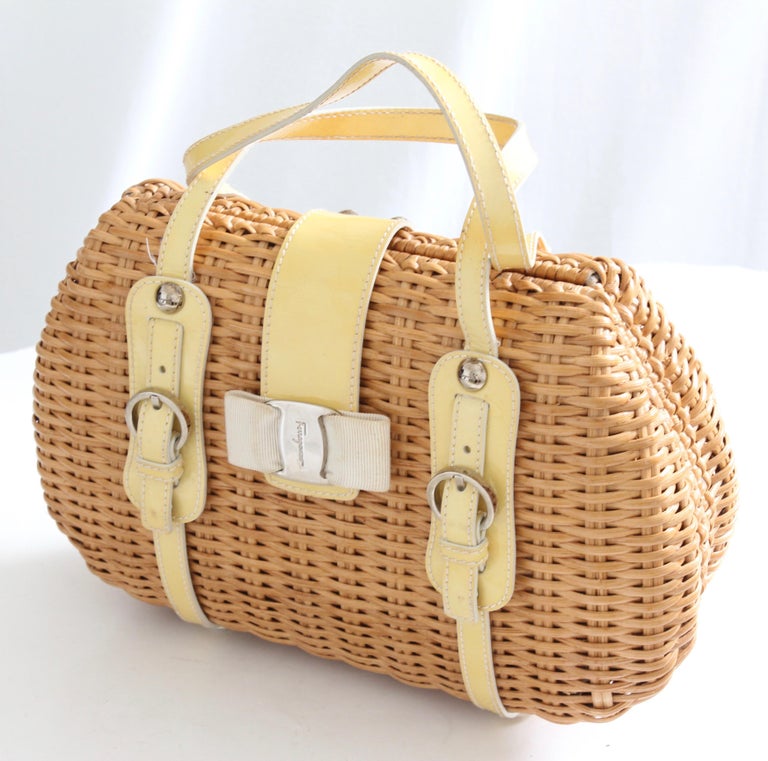
Visitors to a Ferragamo shop at present will notice that the label refuses to choose one direction. Instead, it builds parallel wardrobes of accessories, one anchored to form, the other driven by fluidity.
Grasping this distinction matters if you want to pick a piece that will actually earn its keep in everyday use rather than sit in a dust bag.
This distinction isn’t skin-deep. Bags with a structured build rely on built-in frames, firmed-up panels, and exacting stitchwork to hold a fixed shape no matter how much you pack into them. Slouchy bags do the opposite, using more supple leathers and looser construction so the bag folds and settles differently depending on how it’s carried. These two philosophies are present within the present-day Ferragamo bags collection, and each has devoted fans for entirely distinct reasons. Unpacking what distinguishes one from the other, where the technique splits, and which styles from the brand’s present lineup align with each approach is the focus of this article.
Construction Terms: The Thing “Structured” In Practice Means
A tailored Ferragamo bag generally begins with a rigid base, often reinforced with a dense structural insert or thick foam layer stitched in between two layers of leather. This is what allows a bag to stand upright on a table without leaning or collapsing. Within the current lineup, the Ferragamo Studio bag stands out as the best illustration—its structured form, crisp edges, ferragamo hug and top handle rely completely on this structural core. Remove the stiffening and the same leather would simply fold flat.
Hardware takes on greater importance in structured pieces than most shoppers assume. Because unsupported leather can’t handle recurring strain at one spot without warping or ripping eventually, metal frames, turn-locks, and reinforced handle attachments all need a sturdy body to be secured to. That’s why structured bags from Salvatore Ferragamo tend to feature more substantial closures, whereas slouchy styles rely more on zips or magnetic snaps that don’t require the same anchoring strength.
Also, the choice of leather varies. Tailored pieces typically use full-grain or slightly refined hides that hold a crease line precisely where it’s cut, producing a clean, sculptural-looking edge. It’s partly why structured bags shoot so uniformly — the shape doesn’t shift between shots, which is significant for a Ferragamo shop that wants to represent a product faithfully on its site. Weight is the compromise here; structured bags typically come in heavier than their slouchy alternatives owing to the internal reinforcement.
Lastly, bags with a defined structure usually preserve their resale value more predictably. Since the silhouette won’t break down the way softer leather might collapse or crinkle as it ages, a Salvatore bag with a defined structure acquired at this point is more apt to still look polished in five years with simple maintenance. For those regarding a Ferragamo bag as a durable, long-range purchase rather than a one-season pickup, this is a practical consideration.
A Case for a Slouchy Fit: Relaxed Feel, Gentle Texture, and Daily Practicality
Unstructured bags swap rigidity for ease, and that trade-off has meaningful upsides. A more supple leather, typically napa or a subtly grained calfskin, flexes in sync with the body instead of against it, which is why softly draped hobo and shoulder bags remain popular for everyday travel. The Ferragamo Wanda, in its softer iterations, exemplifies this — it stretches to accommodate more while still looking sleek, as the leather is designed to give rather than resist.
Weight distribution changes with a relaxed, unstructured design as well. A lighter overall feel results from the reduced amount of internal framework and stiffeners, and this matters across a full workday when it remains balanced on a single shoulder. Buyers researching the best Ferragamo bags for travel often gravitate toward slouchy styles specifically because they compress slightly to fit into carry-on luggage without holding a fixed, space-consuming shape.
Aesthetics also come into play, the look-based reasoning is equally relevant. Relaxed, unstructured bags register as more low-key and less loudly branded, which works well for buyers who want their Salvatore Ferragamo bags to melt into day-to-day looks rather than draw obvious notice. The relaxed drape is especially suited to denim, tailored trousers, and other looks where a stiff, boxy accessory would look out of step with the rest of the outfit.
One thing worth noting is an aspect of durability worth addressing candidly. Supple leather more readily develops noticeable creases and surface lines with extended use, especially if the bag goes unstuffed for stretches or stored improperly. It shouldn’t suggest its structural integrity fades sooner in terms of its actual construction, but the appearance will evolve more perceptibly than a stiffer-constructed style. Anyone wanting a soft-shaped bag to look nearly new years down the line need to stay more disciplined about stuffing it with tissue paper during storage.
Comparing the Two Approaches In Parallel
Structured and slouchy Ferragamo bags typically compare across the factors that matter most to a real buyer — shape retention, weight, everyday flexibility, and how they age — and breaking it down like this turns the contrast into something tangible.
| Factor | Tailored-Shape Styles | Relaxed Styles |
|---|---|---|
| Shape retention | Maintains a fixed silhouette regardless of its load | Silhouette shifts based on what’s inside and how it’s carried |
| Average heft | Heavier due to built-in support | Lighter, easier for all-day wear |
| Best use case | Professional settings, dressy occasions, pared-down closets | Travel, everyday casual wear, outfits built in layers |
| How it wears over time | Maintains sharp edges over years of use | Builds up gentle wrinkling; a patina full of character |
| Metal detailing | Bolder locks, frames, and fastenings | Simpler zips or magnetic closures |
| Care demands | Barely any — structure needs no help | Requires stuffing to avoid set-in folds |
The two categories aren’t a matter of one beating the other; rather, the ideal pick hinges on how it’s used day after day. Consistency makes structured bags a strong match for car commuters in formal offices, whereas slouchy bags tend to feel less tiring for travelers and transit riders over the long haul.
Interpreting the Current Ferragamo Bags Overview by Type
Within the present Ferragamo range, offerings are loosely split into three usage-driven groups: top-handle structured styles suited to professional settings, crossbody and shoulder options that balance rigidity and ease, and relaxed hobo-style pieces aimed at roominess and ease. As a result of this grouping, buyers can switch tiers without leaving the brand’s ecosystem.
The brand’s sartorial background shows up most clearly in top-handle styles. Sharp-cut edges, balanced, even stitching, and hardware matched precisely to the leather tone often mirror the exactness of Ferragamo’s shoes. This is why, this category tends to dominate any shortlist of the best Ferragamo bags for professional settings, given how consistently the shape holds in meetings or on a desk.
Crossbody styles hold the midpoint and are arguably the most versatile in the present collection. These pieces generally rely on a partly structured build: structured enough to stay shaped when carried close, but with just enough softness at the strap and panels to steer clear of a stiff look. This category is frequently cited among Ferragamo’s standout bags for shoppers seeking a piece that looks good in photos and holds up through a busy day.
Filling in the collection are relaxed hobo-and-tote pieces, the category where Ferragamo leans hardest into soft leather sourcing. With bigger leather sections and minimal stitching, structural rigidity drops while the material takes center stage, with fewer seams to distract from it. Shoppers weighing top Salvatore Ferragamo pieces by tier will likely find this relaxed grouping wins on comfort though not on dressier adaptability.
Deciding Between the Two Styles for Real-World Use
The smartest method to decide is to honestly review your own week rather than your wish list. Note how often you’re desk-bound compared with being on the move, and own up to whether you’re the kind of person who empties a bag nightly or keeps it packed for weeks at a stretch. Rigid-frame bags reward routine and predictable use; relaxed, unstructured bags reward adaptability and overlook irregular habits.
Price considerations also shape this decision, if indirectly. Given that structured bags need more components — inner reinforcement, structural lining, reinforced hardware mounts, exact panel construction — they often demand more labor hours in production, which can be mirrored by how comparable sizes are priced by a Ferragamo shop across both categories. This isn’t a hard rule, but it’s something worth being aware of if cost is a deciding factor alongside design preference.
Climate and regional habits matter more than most buyers expect. In damp, moisture-heavy climates, softer slouchy leathers can take on more dampness and demand extra care and treatment, while structured bags with finished or sealed leather sections tend to resist environmental wear slightly better. Shoppers seeking ferragamo bags meant for year-round wear in shifting climates should weigh this rather than choosing purely on appearance.
Ultimately, plenty of Ferragamo owners eventually acquire one of each — a rigid-frame option for formal or unforeseen occasions, and a relaxed, unstructured bag for everyday moments that don’t demand close scrutiny. Such a pairing echoes the brand’s own design philosophy across its collections: not as one singular perspective, but as a pair of consistent responses to two separate everyday needs, both executed with an identical dedication to Italian leather craftsmanship that has defined Salvatore Ferragamo since its founding.